
Just because GPP is different it doesn’t make me different

The content presented on this website contains suggestions to help you manage your GPP.
Please discuss with your doctor what is best for you.
Generalized pustular psoriasis (GPP) is different from plaque psoriasis
Generalized pustular psoriasis symptoms (GPP symptoms) can be confused with plaque psoriasis, but they are two distinct conditions.
Both GPP and plaque psoriasis can appear as large areas of red, itchy, extremely dry, scaly, and cracked skin, but they are caused by different processes in the body. Additionally, genetic factors may play a role in each condition. This is why treatments that work for plaque psoriasis may not work the same way for GPP.


Plaque psoriasis vs generalized pustular psoriasis (GPP)
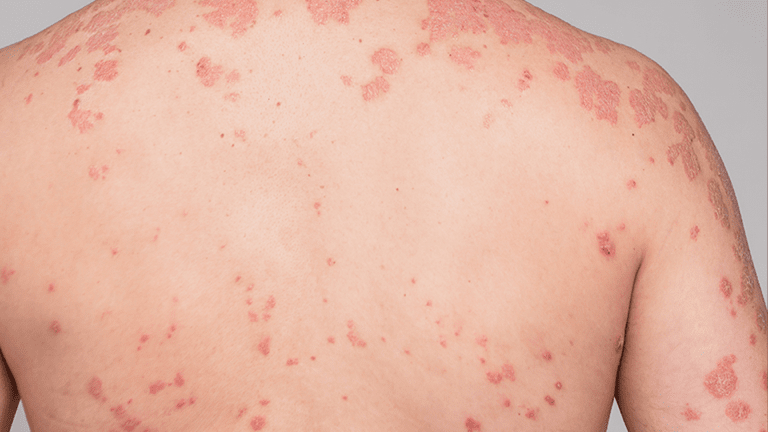
Plaque psoriasis
A common, life-long skin condition that affects 2–3% of the world’s population
The most common form of psoriasis, affecting nearly 8 out of 10 people with psoriasis
Psoriatic plaques are raised, inflamed, and scaly patches of skin that may be itchy and painful
Usually appears in people aged 16–22 years but can also appear in those at the ages of 57–60 years
Occurs equally in men and women
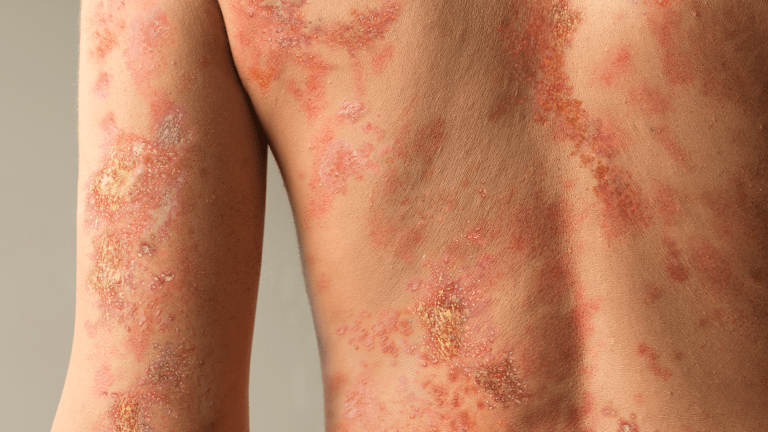
Generalized pustular psoriasis (GPP)
A rare, life-long, systemic (whole body) condition
GPP flares appear suddenly as painful, sterile pustules (inflamed spots with pus) and may be accompanied by other general symptoms like fever, chills, joint pain and extreme tiredness
Most people experience ongoing symptoms, including skin scaling, crusting and redness
People with GPP have a greater degree of severe symptoms and greater levels of anxiety and depression compared with patients with plaque psoriasis*
Can occur in people who have plaque psoriasis
*According to a study of 60 people with GPP and 4,894 people with plaque psoriasis.
Potential causes of generalized pustular psoriasis (GPP)

What is the IL-36 pathway?

How is the IL-36 pathway linked to generalized pustular psoriasis (GPP)?
There are many different reasons why the IL-36 pathway can go awry in GPP, and in some cases, it is a combination of different factors. These can include:
Too many IL-36 agonists
IL-36 antagonists are not working
